Guide · Corporate Events

What Are the Key Stages in Planning a Product Launch Event?

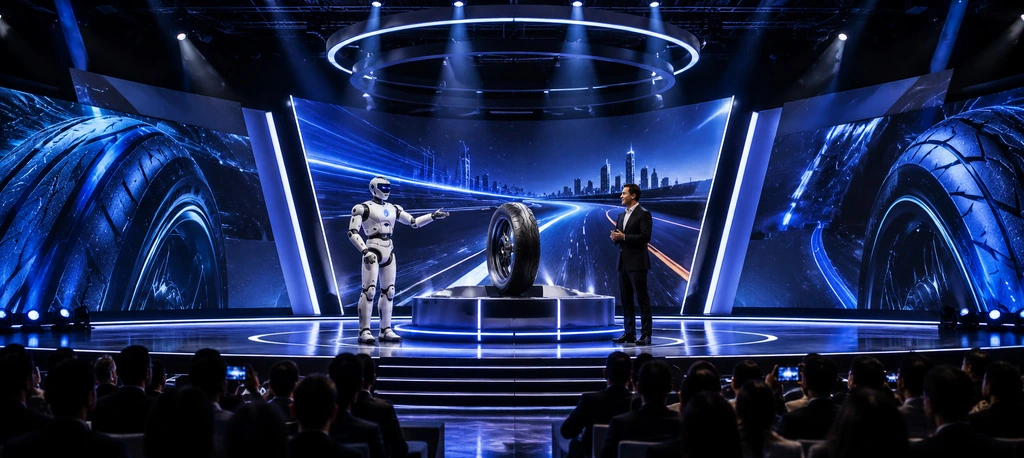
Product launch stage with reveal lighting during rehearsal

Planning a successful product launch event requires moving through three core phases: Pre-Launch, During Launch, and Post-Launch.

Pre-Launch Phase

This is the foundation stage, where you define the launch's core goals, identify your target audience, and decide which media channels to engage to spread the word. From there, you set the budget, timelines, and the overall roadmap for achieving your goals. This phase also involves finalizing the venue — whether it's a hybrid launch, an on-site event, or an experiential format — along with your influencer and social media strategy to build buzz, plus a compelling brand story for the press release.

This is also where you lock in your event agency, finalize the mood board for the launch, decide how the product will be revealed, confirm which leadership members will lead the launch, shortlist any celebrity appearances, and design the overall entry experience for attendees.
During Launch Phase

This is the execution stage, where the actual event comes to life. It involves managing on-ground logistics, running multiple show-run rehearsals, coordinating creators, aligning with leadership, and overseeing the venue setup, F&B, guest touchpoints, and every other moving part of the event.

Post-Launch Phase

This phase covers event dismantling, collecting product feedback, and following up with creators to ensure the event's reach and impact are maximized to their fullest potential.

How Do You Choose Between Physical, Virtual and Hybrid?

How Do You Choose Between Physical, Virtual and Hybrid?

It comes down to your audience, budget, and the kind of moment you want to create. Physical works best when the product needs to be felt, not just seen — think gadgets or cars. It creates real buzz and strong media coverage, but costs more and limits attendance to who can travel. Virtual suits products with a global or scattered audience, like software. It's cost-effective and scalable, but lacks the emotional high of an in-person reveal. Hybrid is usually the sweet spot — an intimate, high-impact event for key people, streamed live to a much wider audience. Real energy in the room, plus reach beyond it.

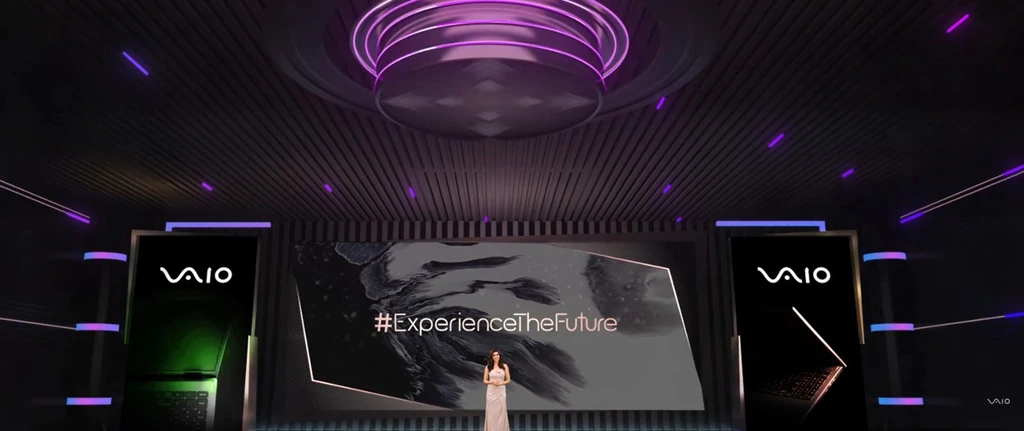
For most tech or software launches, hybrids tend to win — buzz for the room, scale for everyone else. For Instance: We launched the Viao laptop through a virtual launch post-COVID where we wanted to cater to a larger audience, but at the same time needed to follow the ongoing protocols, and on the other hand, we recently launched a product for a software brand called Sify, which was a very last-minute request and couldn’t have an impact if launched online so we choose a hybrid model for it launching it on-site and streaming the same event on youtube for the entire software audience with a post-social media buzz.

What Goes Wrong Most Often in Launch Planning?

  • Fuzzy objectives — If the core goal isn't crystal clear from day one, everything else — the venue, the content, even the guest list — starts to feel disconnected.
  • Cutting timelines too close — Launches often get the green light late, leaving barely enough time to book a venue, brief the agency, or run proper rehearsals.
  • No Plan B — Bad weather, a technical glitch, a vendor dropping out — without a backup plan, any one of these can throw the whole event off track.
What Goes Wrong Most Often in Launch Planning?
  • Trying to do too much — Cramming in speeches, performances, demos, and networking often ends up diluting the message instead of making it stronger.
  • Skipping rehearsals — Not running through the show enough times is one of the easiest ways to invite awkward pauses or last-minute chaos on the day.
  • The wrong media mix — Inviting influencers or press who don't quite align with the brand — or not briefing them properly — often leads to coverage that misses the point entirely.
  • Overlooking the small stuff — Entry experience, seating, food, gifting — these details get pushed aside, even though they're often what guests remember most.
  • Spending in the wrong places — Splurging on decor while skimping on production or contingency funds creates gaps that are hard to recover from later.
  • Teams not talking to each other — When the agency, client, and internal teams aren't on the same page about last-minute changes, confusion almost always follows on event day.

Frequently Asked Questions

How long does it take to plan a product launch event?

Once the client team has finalized their objectives and goals, they should onboard an agency at least 8 weeks before the intended launch date. This lead time is essential to scout and finalize the venue, develop dynamic content for the product reveal, initiate influencer negotiations and lock in their dates, and finalize the event mood board.

When should the product be ready relative to the launch date?

The product demonstration should be ready at least two weeks before the launch date, so that any dynamic content required for the reveal can be created and adapted according to the size and specifications of the product. In case of a physical product, it should be handed over at least 2 days prior to the launch to allow for dry runs with the show-running team, and to ensure it fits seamlessly into all the experiential booths designed for the launch.

How do you protect confidentiality before a launch?

NDAs form the foundational document signed between the agency, the client, and all associated vendors to legally protect confidential product information. Access to the venue should be limited strictly to essential personnel, and during dry runs or rehearsals, doors should remain closed with no external individuals — whether from the hotel staff, other events, or even extended team members — allowed inside.

Planning an event