Eight formats cover most of what a growing company needs, and each is judged on something different — reach for a launch, quality of room for a demo day, and belief for an internal all-hands.
Corporate Events
Corporate Event Company for Startup Events in India | Occasion Xperts
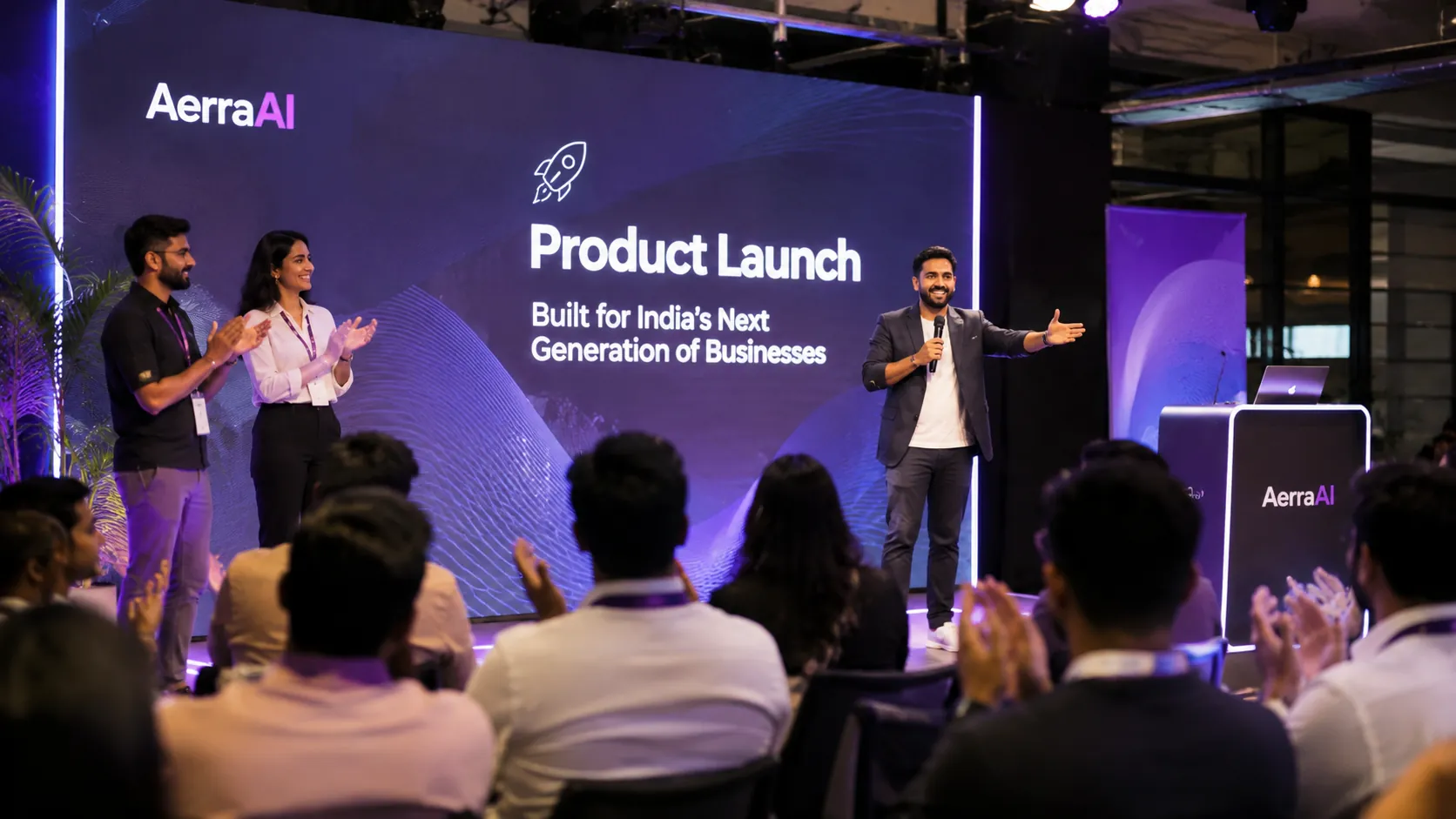
Startup events run on a different discipline from enterprise events. Timelines are measured in weeks, not months. Budgets are real constraints, not flexible envelopes. And the decisions are made by a founder directly, not passed through a marketing hierarchy. That makes these events faster to plan and easier to change late, which means the right agency response is usually to scope down, not up.
Occasion Xperts delivers launches, demo days, funding announcements, community events and offsites across Bangalore, Delhi NCR and Mumbai.
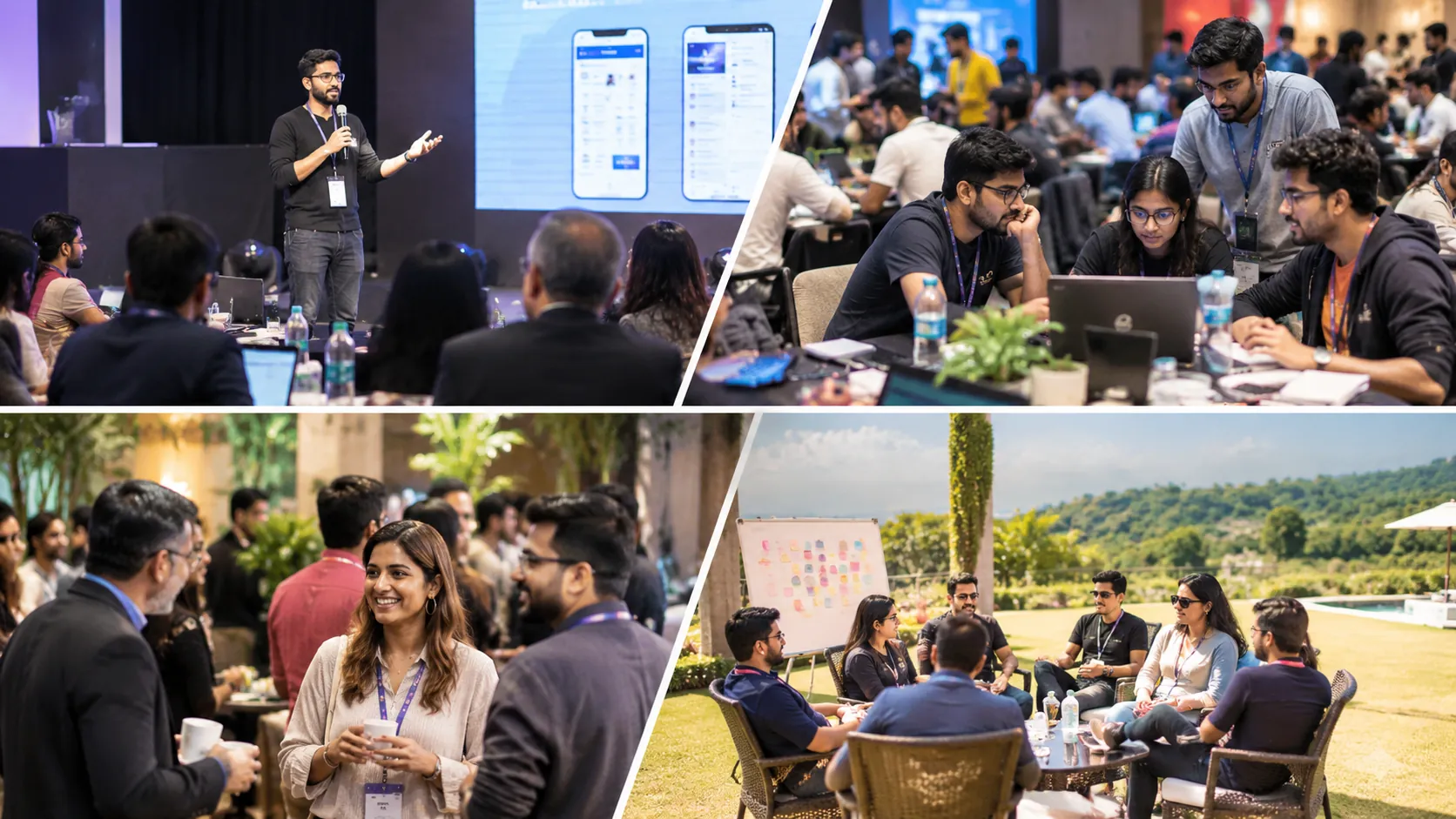
What Startup Events Do We Deliver?
| Format | Judged On | Typical Lead Time |
|---|---|---|
| Product launch / reveal | Reach, coverage, content generated | 3–6 weeks |
| Demo day / pitch event | Who is in the room, not how many | 2–4 weeks |
| Funding or milestone announcement | Media pickup and narrative control | 2–4 weeks |
| Community meetup / developer event | Repeat attendance and genuine participation | 2–3 weeks |
| Hackathon | Participant experience and output quality | 4–8 weeks |
| Customer or partner summit | Pipeline and relationship depth | 6–10 weeks |
| Team offsite | Whether decisions actually got made | 4–8 weeks |
| IPO or listing celebration | Moment and media | 3–6 weeks |
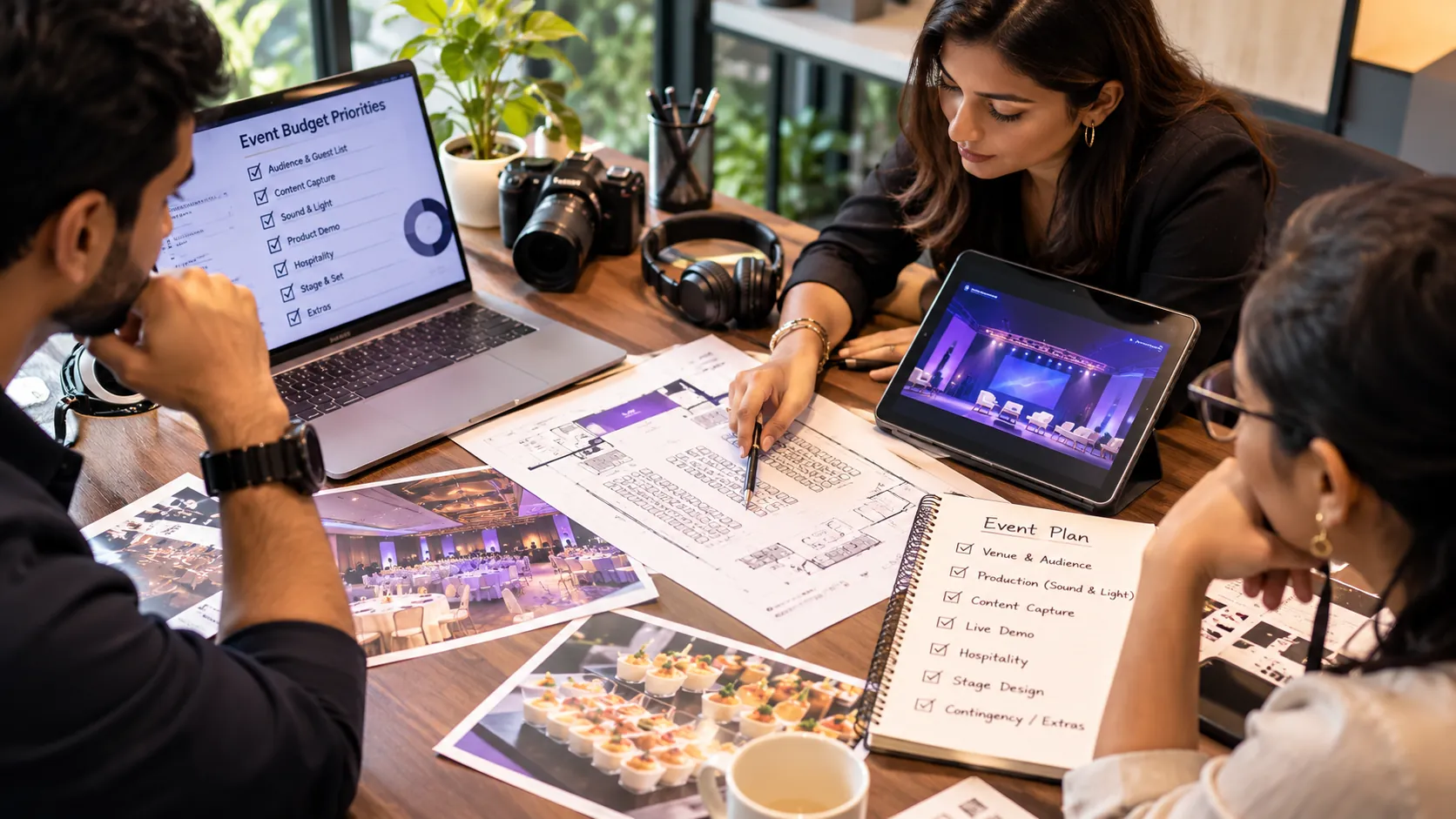
Where Startup Budgets Should Actually Go
Startups are routinely sold production they don’t need. Here is how we suggest spending, in the order that affects whether the event achieves its purpose:
- The room and the list. Who attends decides the outcome more than anything you build.
- Content capture. Most of the event’s value is consumed afterwards, by people who weren’t there.
- Sound and light. Cheap to do well, ruinous to do badly, and visible in every clip.
- A working demo. Rehearse it on the actual setup, not on a laptop backstage.
- Hospitality basics. Decent food, and enough of it. People remember it longer than the décor.
- Stage and set. Clean and on-brand beats elaborate at this scale.
- Extras. Only once everything above is funded properly.
How We Work With Startups
- Venues negotiated for you: We shortlist suitable venues and negotiate the best rates, so the budget goes into the event, not the booking.
- Itemised from the first proposal: Lines can be cut without renegotiating everything.
- Scope down when that is the honest answer: A demo day does not need a fabricated stage.
- One direct decision-maker: Usually a founder or marketing lead, with no hierarchy in between.
- Fast turnaround: Two to four weeks where venue availability allows.
- Reusable elements: Backdrops and staging built to redeploy at the next event.
- Content-first production: Cameras, sound and lighting planned for what gets published afterwards.
- Late changes absorbed: In-house fabrication and design mean a change at 48 hours is workable.
- One shareable moment: Our anamorphic content team creates a visual people want to film and post.
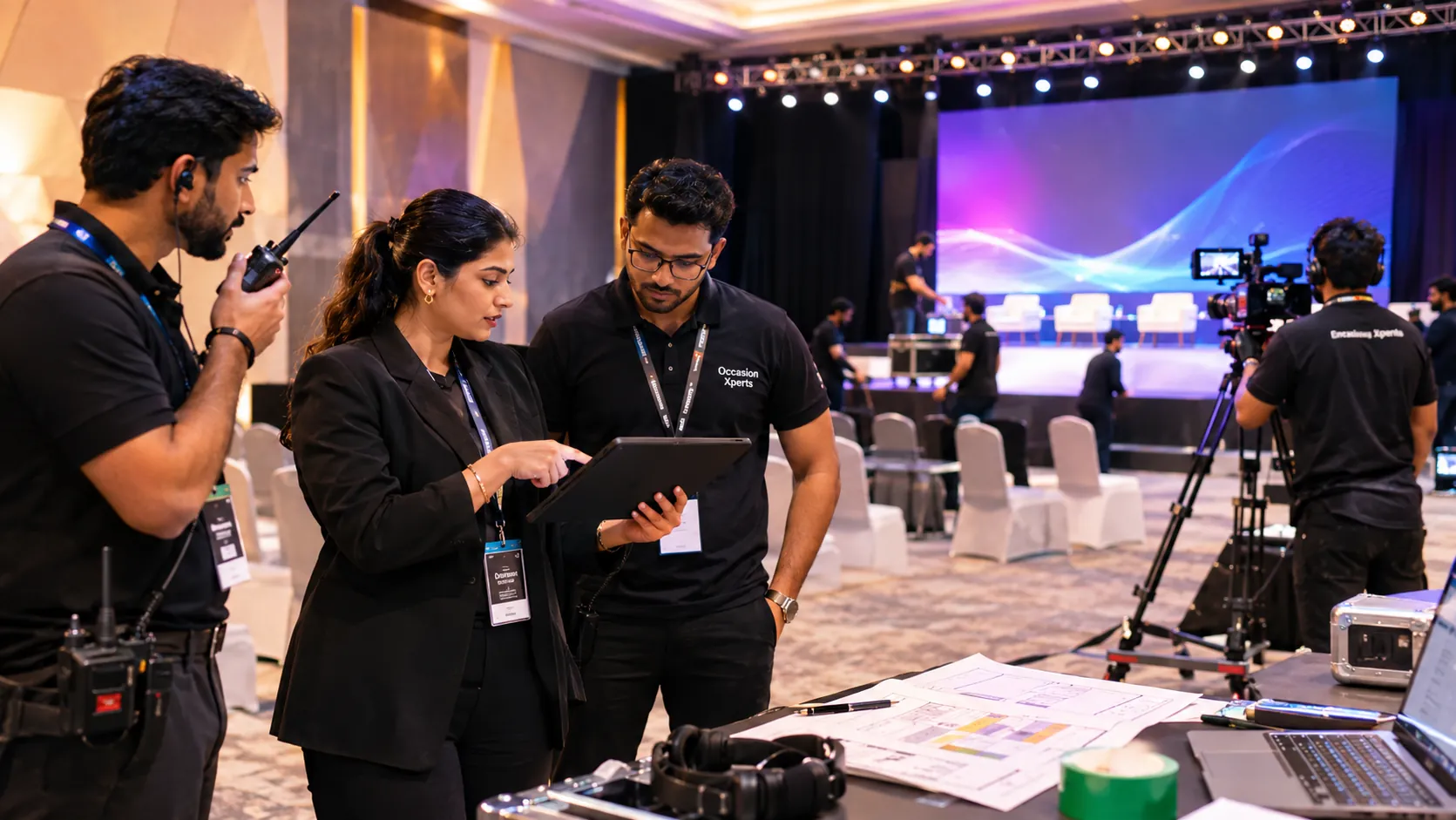
- A named lead on-site: One project lead throughout the event, so you can focus on your guests and your story.
Why Use an Established Agency for a Startup Event?
Mainly for the things that go wrong quietly: a venue contract clause nobody read, a demo that fails because it was never tested on the real setup, or a livestream nobody can hear. Experience at scale is worth the most at small scale, where there is no margin to absorb a mistake.
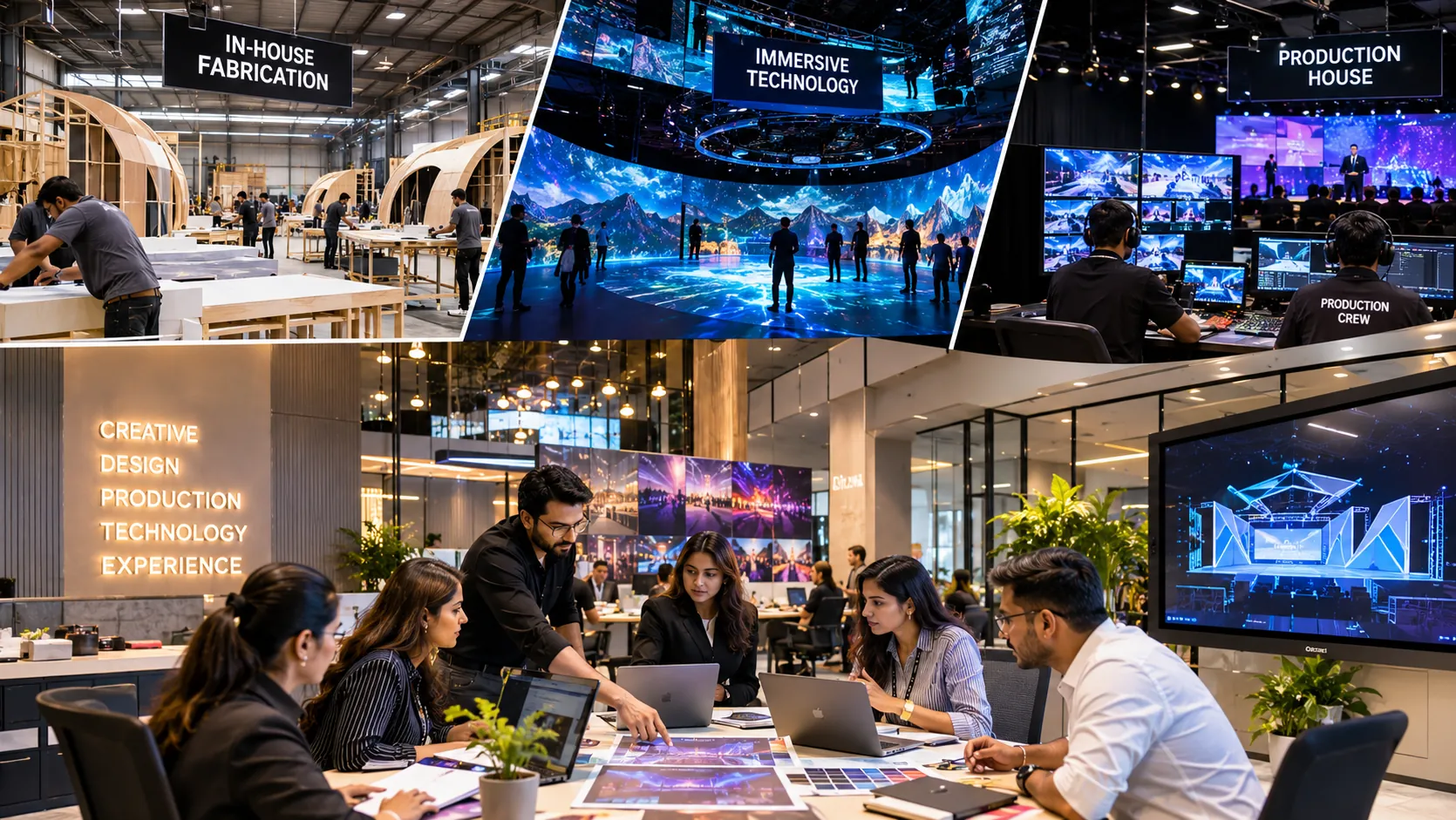
- In-house production, fabrication and technical teams: No subcontractor chain on a tight timeline so that the last minute changes can also be accommodated even if they are an hour ago from the event.
- Virtual and hybrid delivery: Hybrid events as a real time event has its own pros and cons as they have too much technical dependency rather than manual dependencies which can be take care off by replacements but in virtual environments one glitch and everything can lead to a dead end.
- Immersive technology where it earns its place: To help you to choose the right technology to not use it just as an audience engagement but to create touchpoints through the available tech resources.
- Press and media event experience: For funding and milestone announcements and help you get media brands at your first events
- Established venue relationships: established agencies help you with negotiated rates which differ from the amounts that you receive from the venues at one on on query..
Frequently Asked Questions
What kinds of events do startups run?
Launch events and product reveals, demo days and pitch events, funding and milestone announcements, community meetups and developer events, hackathons, customer and partner summits, team offsites, and IPO or listing celebrations.
How is planning a startup event different?
Speed, budget discipline, and decision-making. Timelines run in weeks rather than months, budgets are real constraints, and decisions are usually made directly by a founder rather than through a marketing hierarchy.
Are startup events cheaper to run?
They are usually smaller, not necessarily cheaper per head. Startups are frequently sold more than they need, but scoping down appropriately delivers maximum utility within budget.
How quickly can you turn around a startup event?
Two to four weeks for a launch or demo day at moderate scale, provided venue availability allows it and decisions come quickly. Production is rarely the constraint; finalizing content, speakers, and the guest list dictates the timeline.
Do you handle content capture and social amplification?
Occasion Xperts handles production, photography, videography, and livestream capture, delivering assets formatted for social distribution. Content strategy and community management sit with the client or their agency.
Which cities do you deliver startup events in?
Primarily Bangalore, Delhi NCR, and Mumbai, where most of India's startup ecosystem concentrates, as well as nationwide for multi-city programmes.